
Device ID

A device ID is a distinct code assigned to devices such as smartphones and tablets, serving to differentiate between them. Different operating systems utilize various IDs stored on a device. Initiatives like Apple’s App Tracking Transparency are aimed at safeguarding user privacy by mandating permission for accessing device IDs.
Dynamic Creative Ads

Dynamic creative ads revolutionize advertising by tailoring content in real time based on specific parameters set by the advertiser. Unlike traditional static ads, dynamic creative ads adapt to deliver personalized and relevant experiences to each user. For instance, a retail app can showcase different deals or products based on the user’s browsing history or preferences, […]
E-commerce

The buying and selling of goods or services over the internet, including the transfer of money and data to execute these transactions.
ECPM (Effective Cost Per Mille)

A metric used to measure the effectiveness of an advertising campaign, representing the estimated revenue generated per 1,000 ad impressions.
Emulated Devices

Emulated devices are software tools designed to mimic the characteristics and behaviors of other devices, serving primarily for app testing purposes.
Engagement Rate
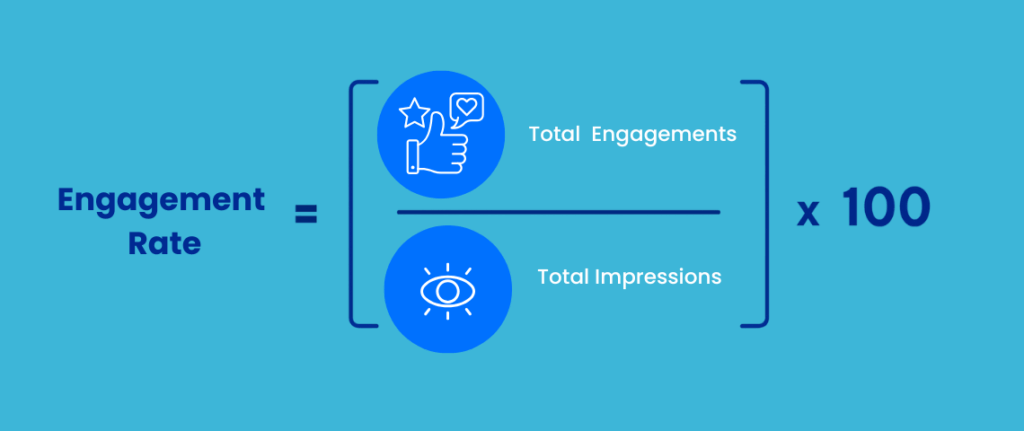
A metric that measures the level of interaction an audience has with online content, often calculated as the ratio of interactions (likes, shares, comments) to total impressions.
Evergreen Content

Content that remains relevant and valuable to audiences over time, not tied to specific events or trends, making it suitable for ongoing advertising campaigns.
Exclusivity

A strategic agreement where an advertiser receives the sole right to advertise within a specific category on a publisher’s platform, ensuring no competitor ads appear alongside.
Expandable Banner

A type of banner ad that expands beyond its initial dimensions when a user interacts with it, providing additional information or interactive elements.
Extract, Transform and Load (ETL)
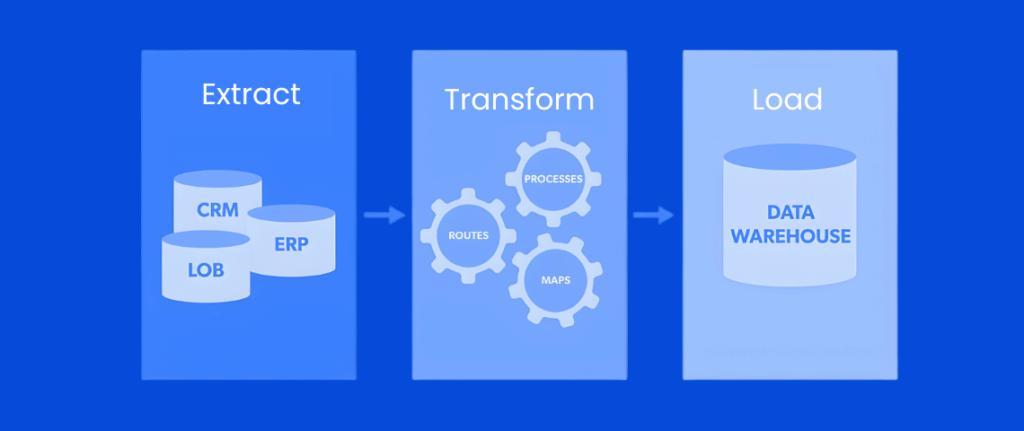
The ETL (Extract, Transform, Load) process is a fundamental component of data engineering and management. It encompasses three key stages: extracting data from diverse sources, transforming it into a consistent format, and loading it into a central repository. By executing this process, organizations can efficiently organize and unify their data, paving the way for comprehensive […]