
Paid Apps

Paid apps are applications that users must purchase before downloading. Unlike free apps, which are monetized through advertisements or in-app purchases, paid apps require a one-time payment to access their features and content. Typically, paid apps offer an ad-free experience and may provide additional benefits or premium features to users who make the purchase.
Pay Per Install
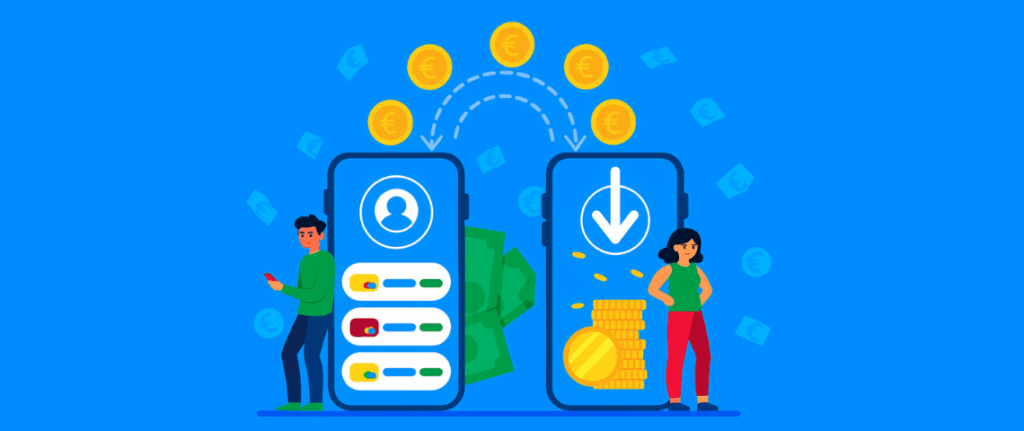
Pay Per Install (PPI) is a pricing model in mobile advertising where advertisers pay for each installation generated by their ad campaign. For instance, if Advertiser X bids $1.00 to display their ad to a specific user group, and the campaign leads to 1,000 installs, the advertiser will pay a total of $1,000 ($1.00 x […]
Performance Advertising

Performance advertising is a marketing strategy where advertisers pay only when they achieve measurable outcomes within a specified timeframe. Unlike brand advertising, which focuses on building brand awareness, performance advertising is highly targeted and aims to achieve specific financial goals and key performance indicators (KPIs) such as revenue or customer loyalty. By using performance ads, […]
Playable Ads (Playable Mobile Ads)

Playable Ads, also known as playables, represent an interactive mobile ad format that permits users to engage with a condensed version of an app before installing it. These ads offer an immersive and enjoyable experience that distinguishes them from traditional advertisements.
Post-Install Event

Post-install events are user actions or activities that occur within an app after it has been downloaded. These events can include app launches, completing registration, viewing in-app advertisements, making in-app purchases, and progressing through levels.
Preloaded Apps
Preloaded apps are mobile applications that come already installed on a device before it is sold to the end user.
Private Marketplace (PMP)

Private Marketplaces (PMPs) are exclusive real-time bidding (RTB) markets where publishers offer their inventory and audiences to a select group of invited buyers. Unlike open exchanges, PMPs operate through customized, invitation-only auctions, restricting participation to invited buyers. Publishers showcase premium inventory, high-impact ad units, and first-party data, while advertisers appreciate the control offered by PMPs, […]
Probabilistic Attribution
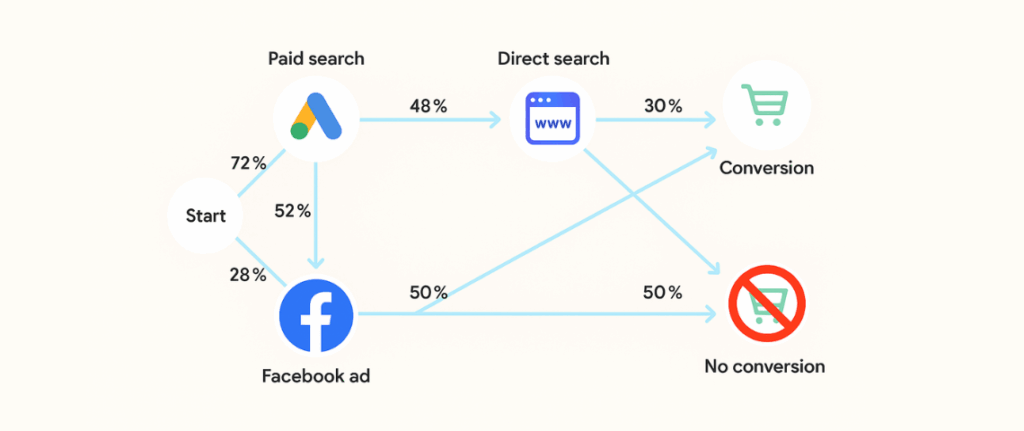
Probabilistic Attribution is an attribution model that relies on probabilities rather than precise ID or device matching. Leveraging machine learning and statistical modeling, it identifies potential conversions across various marketing touchpoints. Probabilistic attribution aids marketers in gauging campaign effectiveness and assessing the likelihood of specific touchpoints contributing to conversions.
Programmatic Advertising

Programmatic Advertising is an automated method for mobile advertising that utilizes data insights and algorithmic software to facilitate the buying and selling of ad inventory. Rather than manual processes, programmatic advertising employs real-time bidding and other techniques to deliver targeted ads at optimal prices.
Publisher

In mobile marketing, a publisher is an app or website owner who provides ad space to advertisers. Publishers offer inventory for ad placements, which advertisers bid on. Advertisers usually connect with publishers through ad networks, with publishers acting as intermediaries between the ad network and advertisers.