In the dynamic world of B2B marketing, where user attention is fleeting and competition is fierce, mobile advertising has become a powerful tool to capture audiences and drive business results. With smartphones and tablets dominating digital consumption, optimizing mobile ad campaigns is essential to achieve strategic objectives. A key step in this process is selecting the right ad sizes and formats that align with user preferences and platform capabilities.
Banner ads: visual snapshots of branding and persuasion
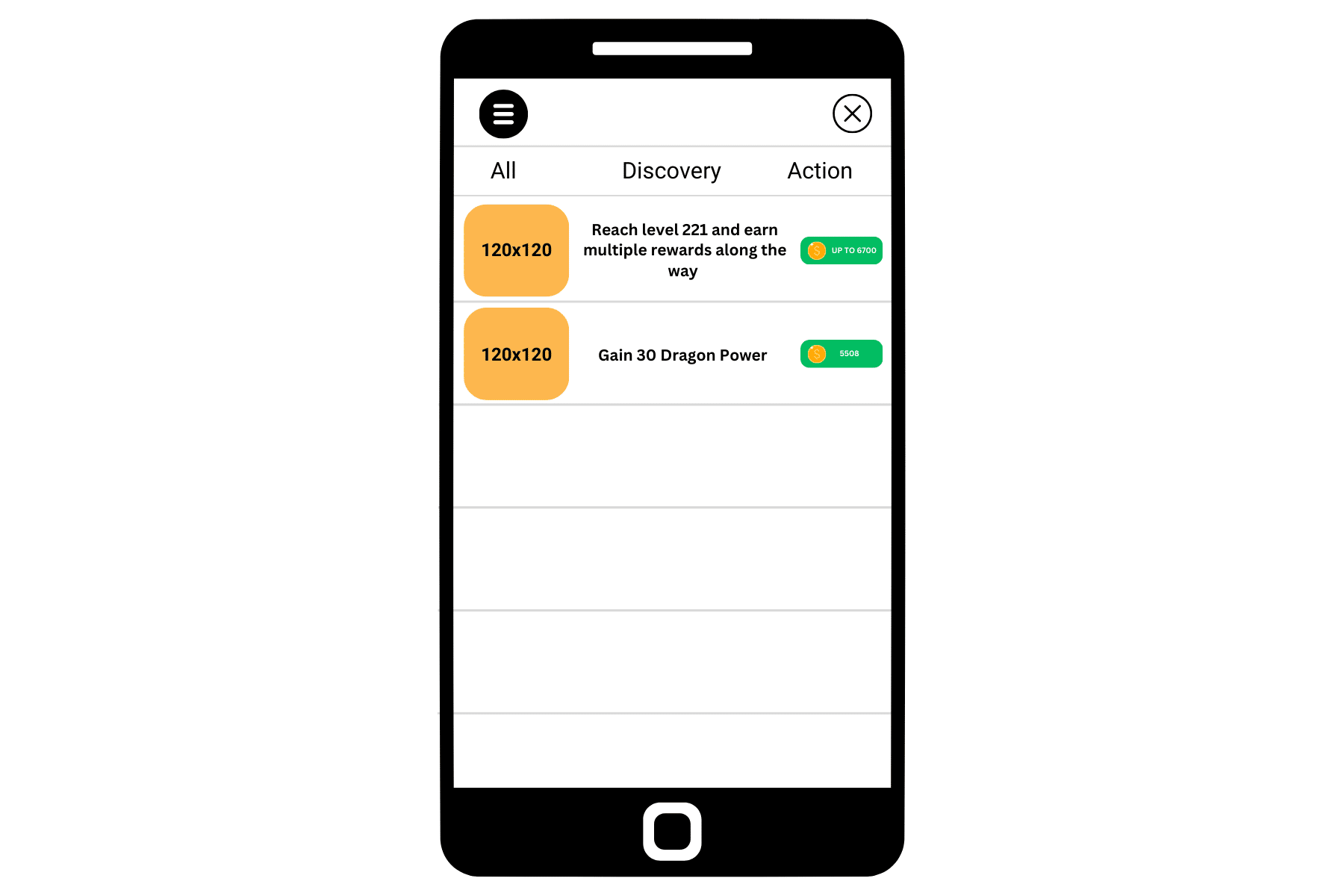
Banner ads, a cornerstone of mobile advertising, offer a versatile canvas to showcase products, services, and brand messages. Their concise format makes them ideal for capturing attention and delivering key information. Among the most effective banner formats for B2B marketing are:- Icon ads (120×120):
- These small but powerful ads act as visual anchors, adding a layer of brand recognition and highlighting important information without taking up too much screen space. Icon ads are often used in incentivized traffic campaigns, which offer users rewards or benefits in exchange for downloading or interacting with the promoted app or website. This can be an effective strategy to quickly generate installs and engagement, especially for apps that include gamified elements or interactive experiences. For non-incentivized traffic campaigns, which focus on organic downloads and engagement, icon ads are not always the most effective choice. Their small size can make it difficult to clearly communicate the app’s value proposition and encourage users to download without a compelling incentive.
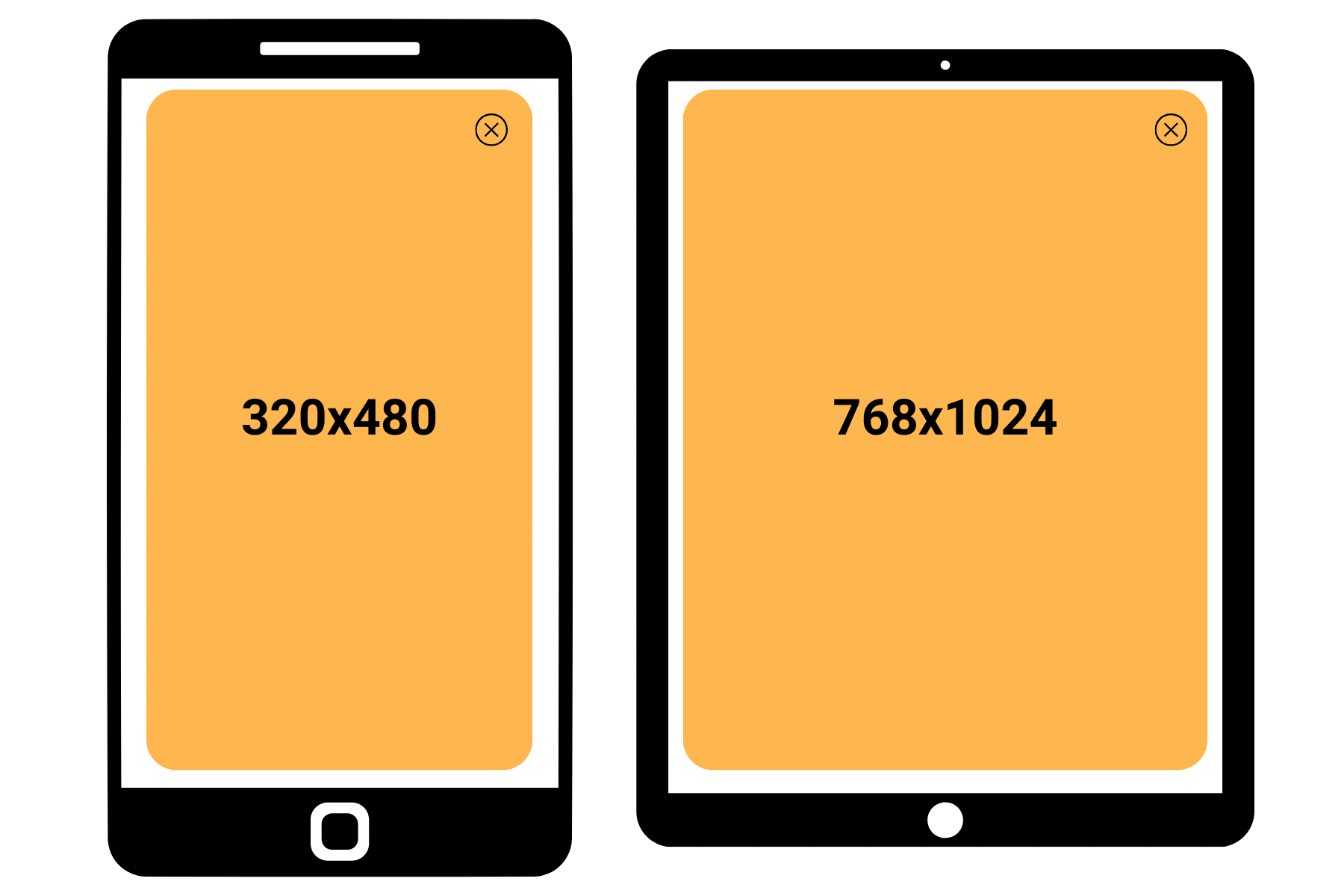
- Portrait interstitial ads (320×480–768×1024):
- These full-screen ads take over the screen when users transition from one page or section of an app to another, providing a captive audience for impactful marketing messages.
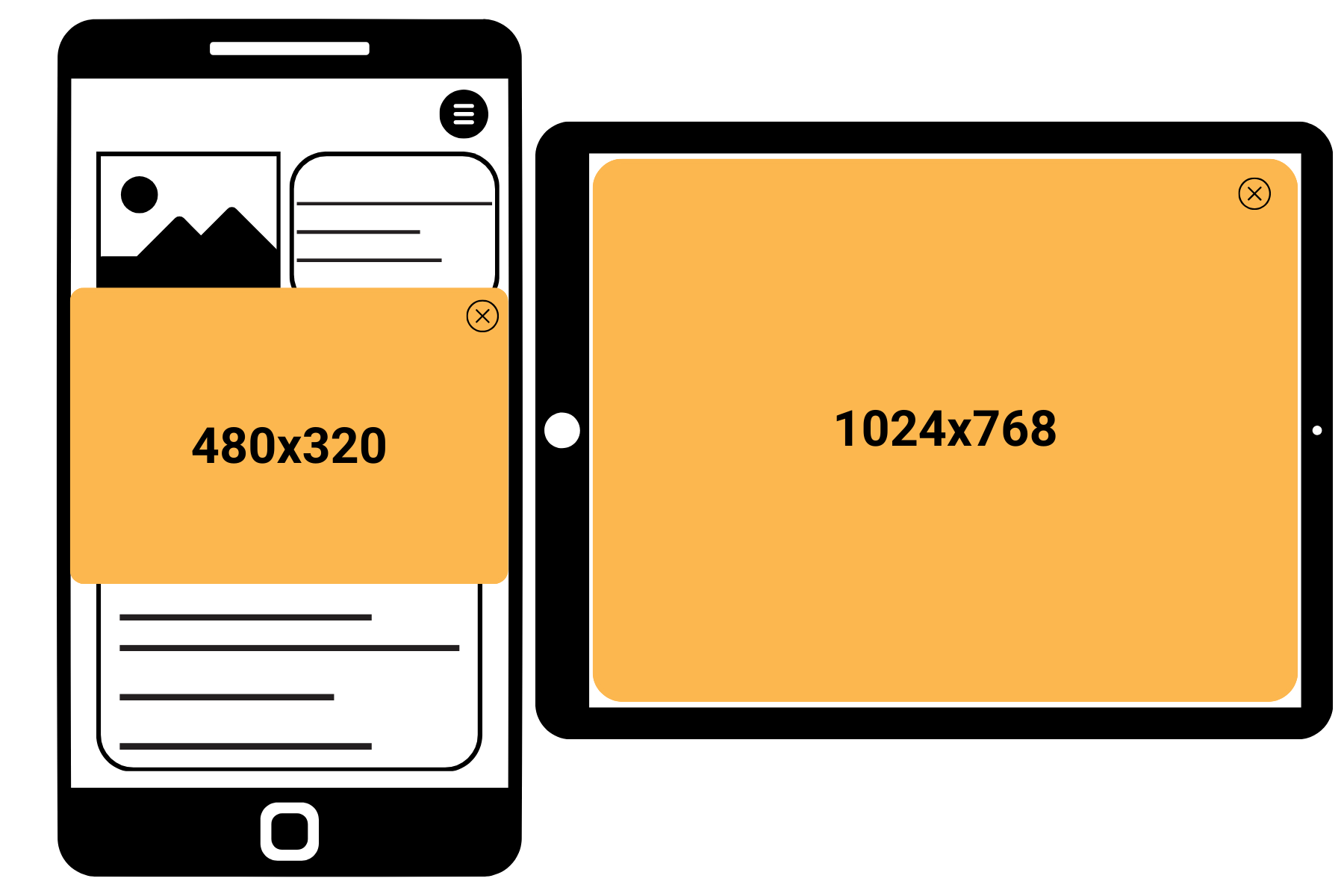
- Landscape interstitial ads (480×320–1024×768):
- Designed for wider screens, landscape interstitials integrate seamlessly into the app layout, ensuring a smooth user experience.
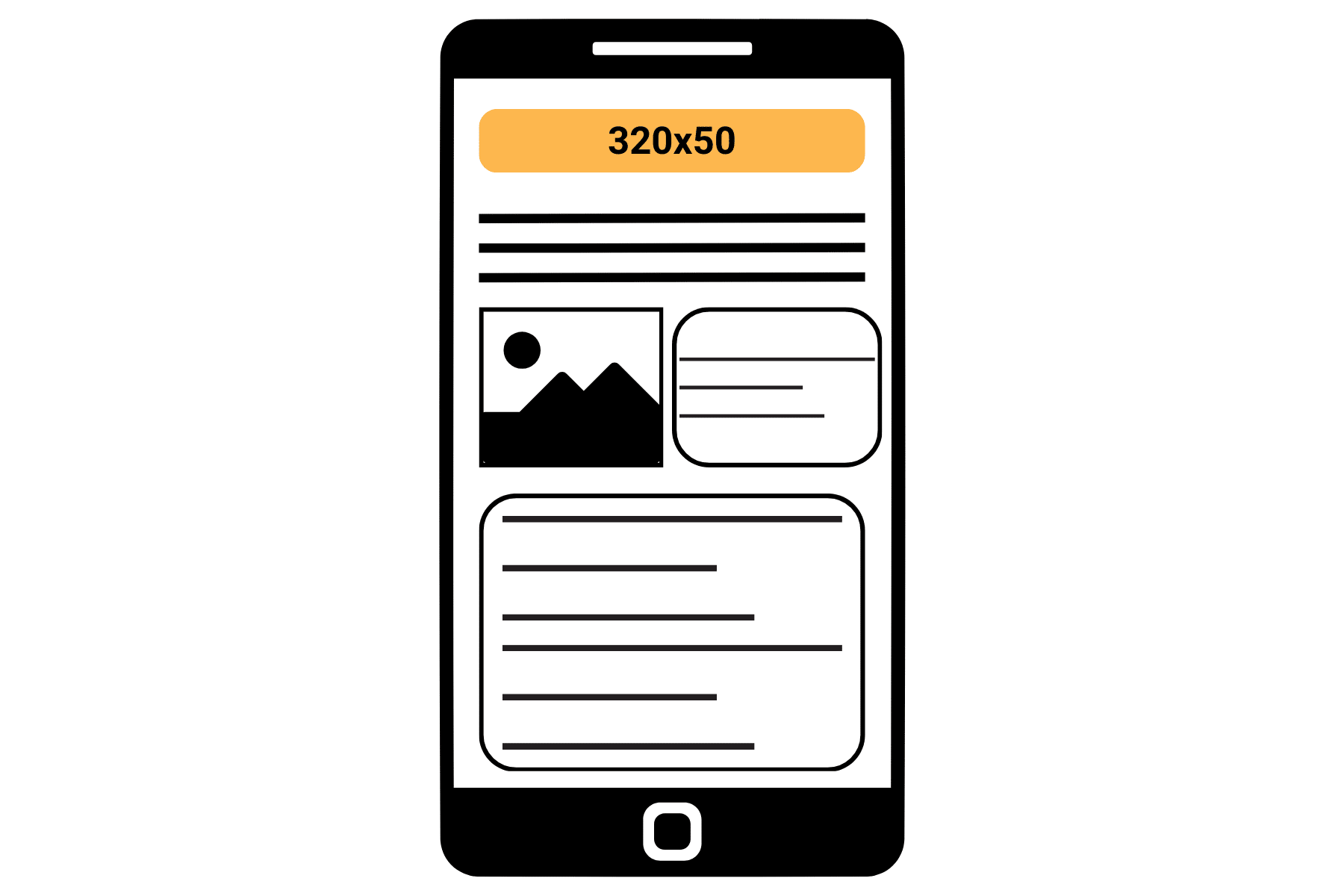
- Standard banner ads (320×50–468×60–728×90–120×600):
- These traditional banner formats, while less eye-catching than full-screen ads, still retain value when used strategically.
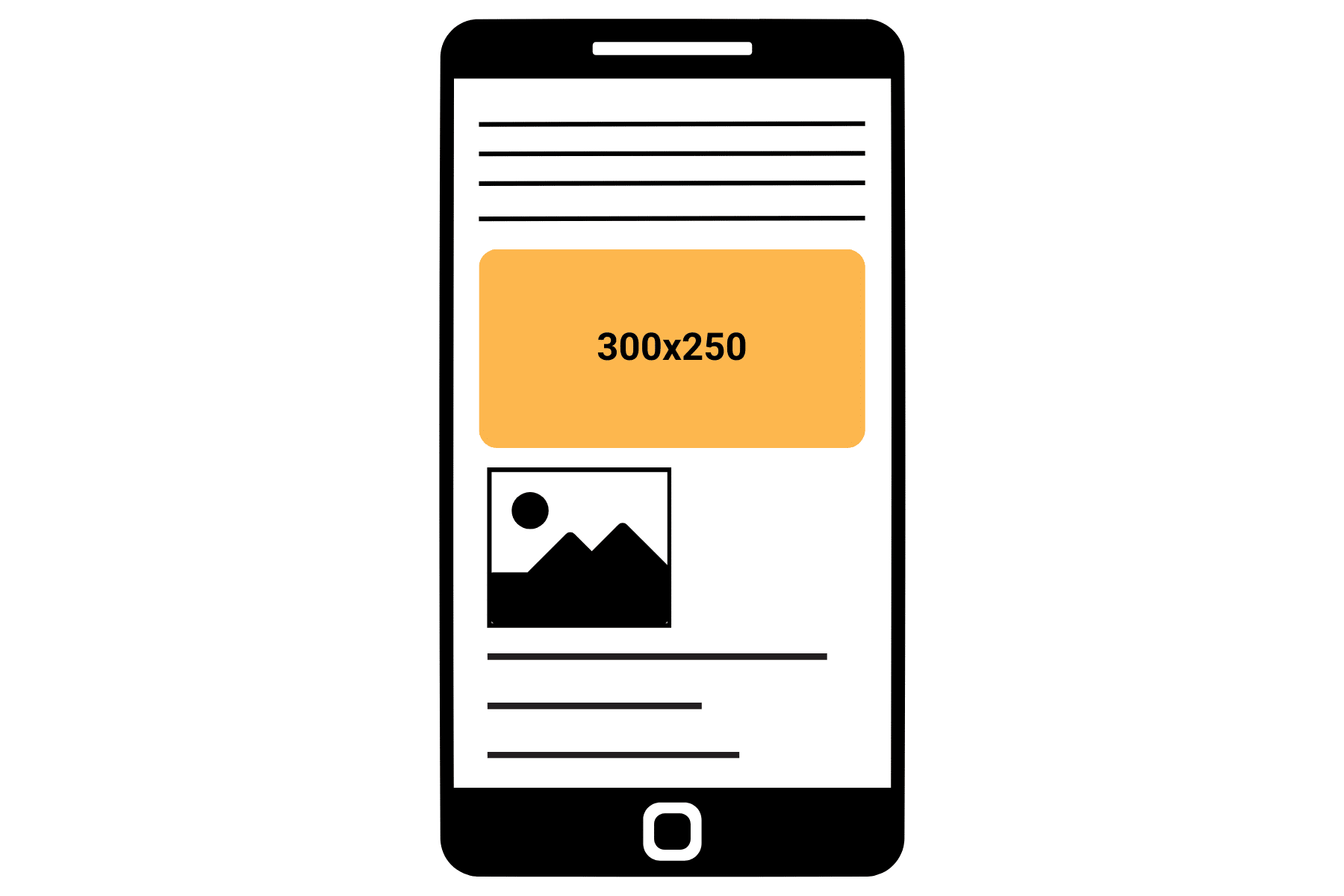
- Medium rectangle banners (300×250):
- Striking a balance between size and visibility, these rectangular banners provide enough space for engaging visuals and persuasive messaging, making them suitable for various placements across websites and apps.
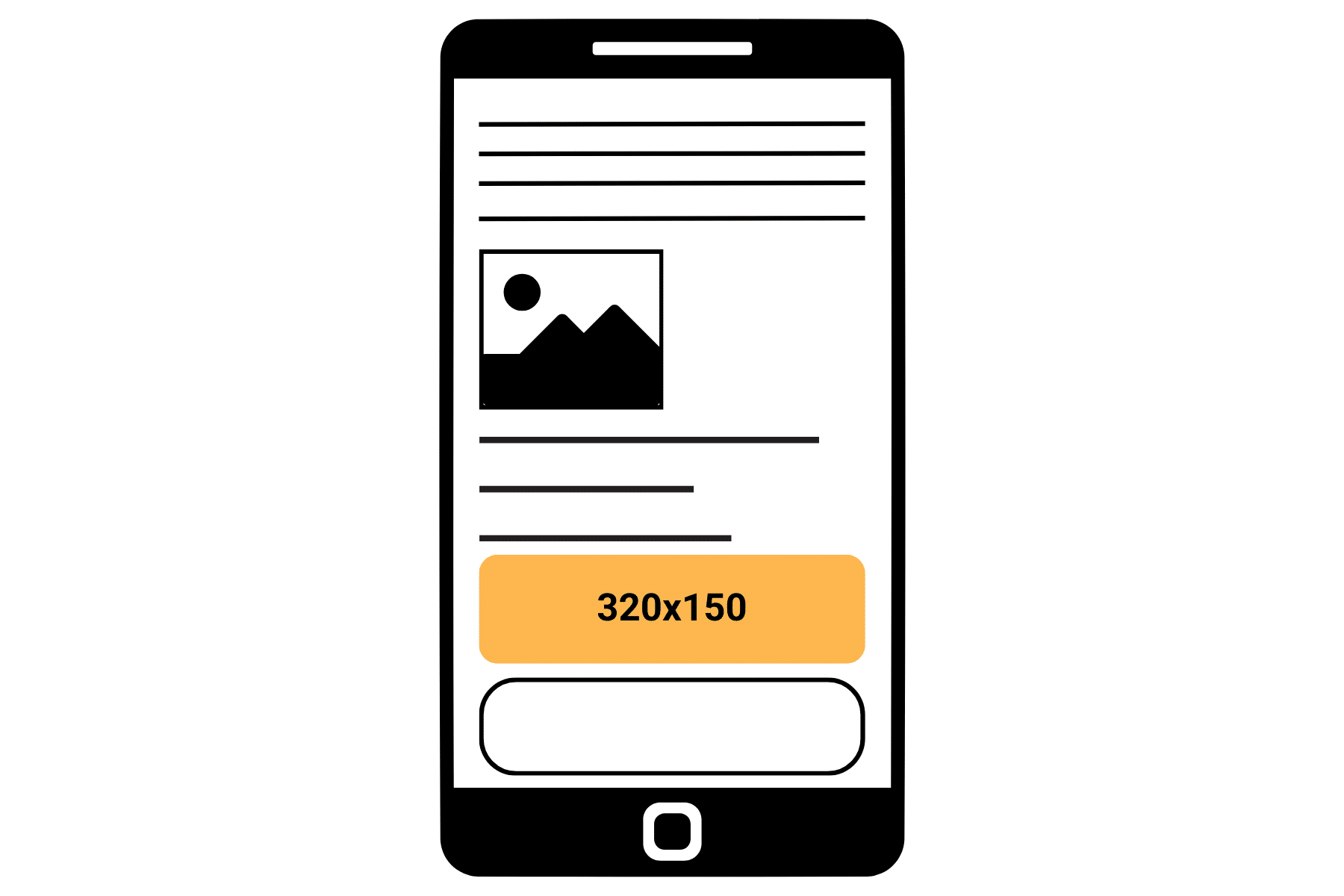
- Large mobile banners (320×150):
- These vertically extended ads provide more space for detailed messaging and eye-catching visuals, enabling a stronger connection with the target audience.
Video ads: compelling storytelling for immersive engagement
Video ads are rapidly gaining importance in the mobile landscape, capturing B2B audiences thanks to their ability to tell compelling stories and showcase products in action. The most popular video ad formats include:- MP4 and AVI videos: These widely supported formats ensure compatibility across a broad range of devices, providing smooth playback and an engaging experience.
- Native videos: Seamlessly integrated into the design of the app or website, native videos appear as organic elements, enhancing the user experience while delivering engaging marketing messages.
- In-app video ads: Embedded directly within the app’s functionality, these videos provide a more immersive and relevant experience, as they are closely aligned with the app’s purpose and target audience.
- Video discovery ads: These ads allow users to discover relevant video content as they browse a website or app, offering valuable insights into their interests and preferences.

Optimizing Impact: Balancing Creative with User Experience
Choosing the right mobile ad sizes and formats is only the first step in creating effective B2B campaigns; designing compelling ad creatives is just as essential. Here are the key elements to consider when optimizing mobile ads:- Device compatibility: ensure that ad creatives are optimized for the devices and screen sizes of your target audience, guaranteeing a seamless experience and optimal performance.
- Content type: adapt the ad format and creative to the type of content being promoted, considering image quality, video length, and tone of messaging.
- User experience: strike a balance between ad visibility and overall user experience. Ads should not disrupt navigation or prevent users from interacting with the app or website.
- Targeted engagement: leverage data and analytics to understand user preferences and target ads effectively. This personalized approach boosts engagement and increases the likelihood of conversion.
Determining the Ideal Mobile Ad Format
In the complex world of B2B mobile advertising, selecting the most suitable format requires a strategic approach that considers several factors influencing user engagement and campaign effectiveness. Here’s how to determine which format best aligns with your B2B marketing goals:- Target audience and preferences:
- Understanding demographics and interests: identify the age, industry, and specific interests of your audience to determine preferred ad formats. For example, younger professionals may be more attracted to engaging video ads, while senior executives may prefer clear and concise banner ads.
- Analyzing device usage: evaluate the devices used by your audience to ensure your ad formats are compatible with their screen sizes and operating systems.
- Content type and message delivery:
- Visual storytelling vs. direct communication: if your product or service lends itself to visual storytelling, prioritize video ads. For simple messaging and brand awareness, banner ads may be more effective.
- Attention span and context: assess your audience’s average attention span and the context in which they will see your ads. Interstitial ads can effectively capture attention during app transitions, while banners are better suited for websites.
- Creative design and user experience:
- Visual appeal and compelling messaging: ensure your creatives are visually attractive, with high-quality images or engaging videos aligned with your brand message. Write clear and concise copy that resonates with your target audience.
- Balancing ad visibility and user experience: find the right balance between ad visibility and a smooth experience. Intrusive ads can disrupt navigation and frustrate users, while too few ads may limit effectiveness.
- A/B testing and data-driven optimization:
- Testing different formats: run A/B tests to compare the performance of various ad formats across placements and audiences. Analyze click-through rates, conversions, and overall engagement to identify the most effective formats.
- Continuous optimization: the mobile advertising landscape evolves rapidly, so it is essential to monitor performance and adapt strategies based on data. Stay responsive to trends, usage patterns, and user behavior.
- Leveraging experts and industry trends:
- Collaborating with specialized agencies: benefit from the expertise of experienced mobile marketing agencies to gain insights into trends, formats, and best practices.
- Staying informed: follow industry publications, attend conferences, and engage with other professionals to stay updated on innovations and optimization strategies.
Expanding the Mobile Advertising Landscape: Other Popular Formats
While traditional banner formats remain a cornerstone of mobile advertising, several other sizes and formats have emerged to accommodate different types of content, user preferences, and placement strategies. Let’s explore two additional popular formats that offer distinct advantages and can be tailored to various marketing objectives. Expandable Display Ads (320×480) These versatile ads start as compact banners that expand vertically when users interact with them, offering a more immersive and interactive experience. They provide ample space to showcase products, services, and persuasive messaging, making them effective for highlighting key features, announcing promotions, or supporting lead generation campaigns. Their expandable nature enables a more engaging presentation of advertising content, potentially improving engagement and conversion rates.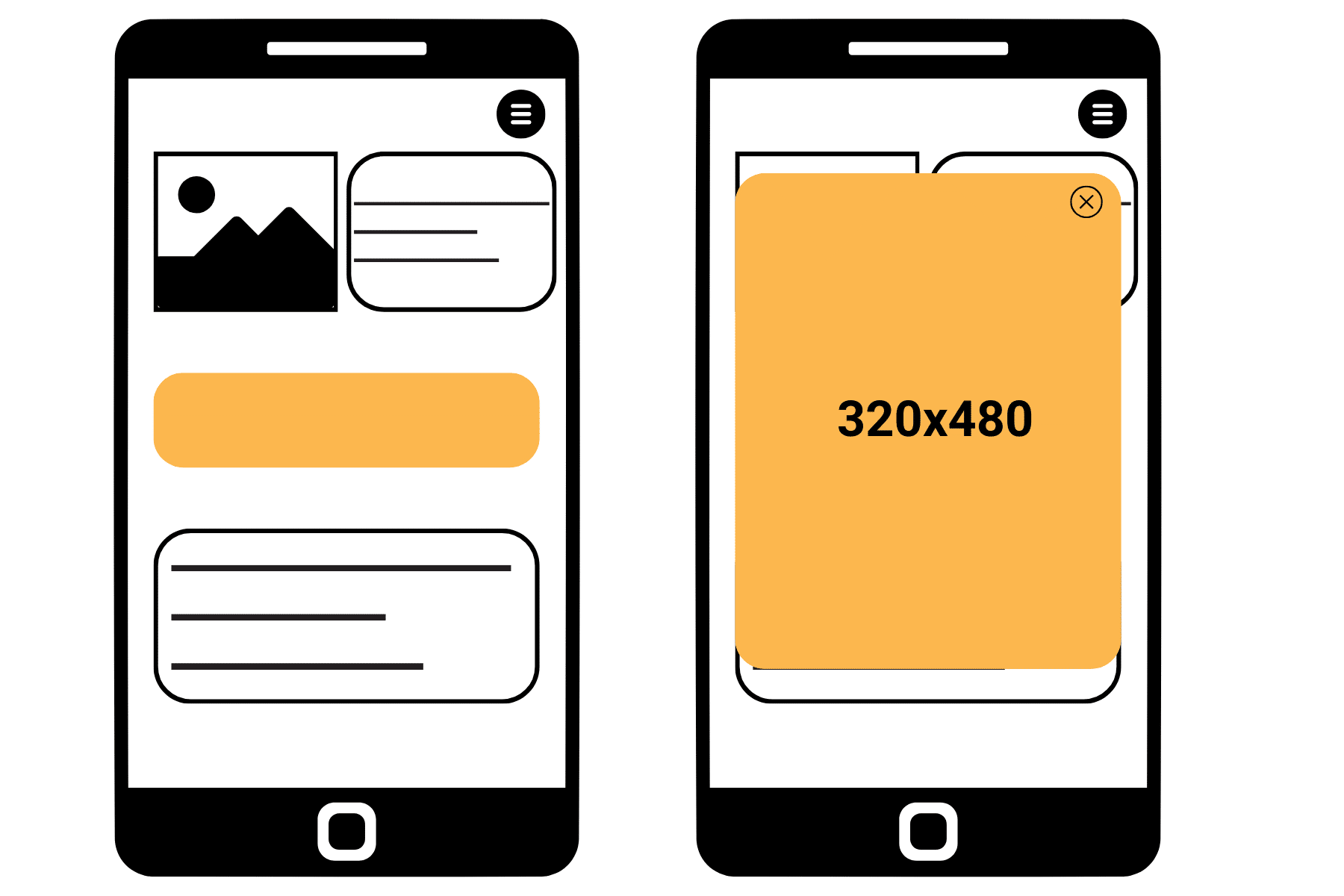
In-stream video ads: engaging audiences with native video playback
In-stream video ads, typically in the 480×260 format, are seamlessly integrated into the video content of an app or website, appearing as organic elements. These ads are served before, during, or after the main video content, providing a more immersive and relevant viewing experience. When users watch the main video, they are exposed to the in-stream ad, which increases the likelihood of engagement and brand recall.
A/B testing for video ads
When creating video ads for mobile campaigns, it is strongly recommended to use A/B testing to identify the best-performing versions. This involves creating multiple versions of the ad with different elements, such as visuals, messaging, or calls to action, and testing them against each other to determine which performs best.
By running A/B tests on video ads, marketers can gain valuable insights into user preferences and optimize their campaigns to improve engagement, conversions, and ultimately return on investment (ROI). The advertising platform’s algorithm also benefits from these tests, as it can learn which ad versions resonate best with the target audience and allocate more budget to the top-performing ones. As a result, marketers can achieve more efficient and higher-performing campaigns.

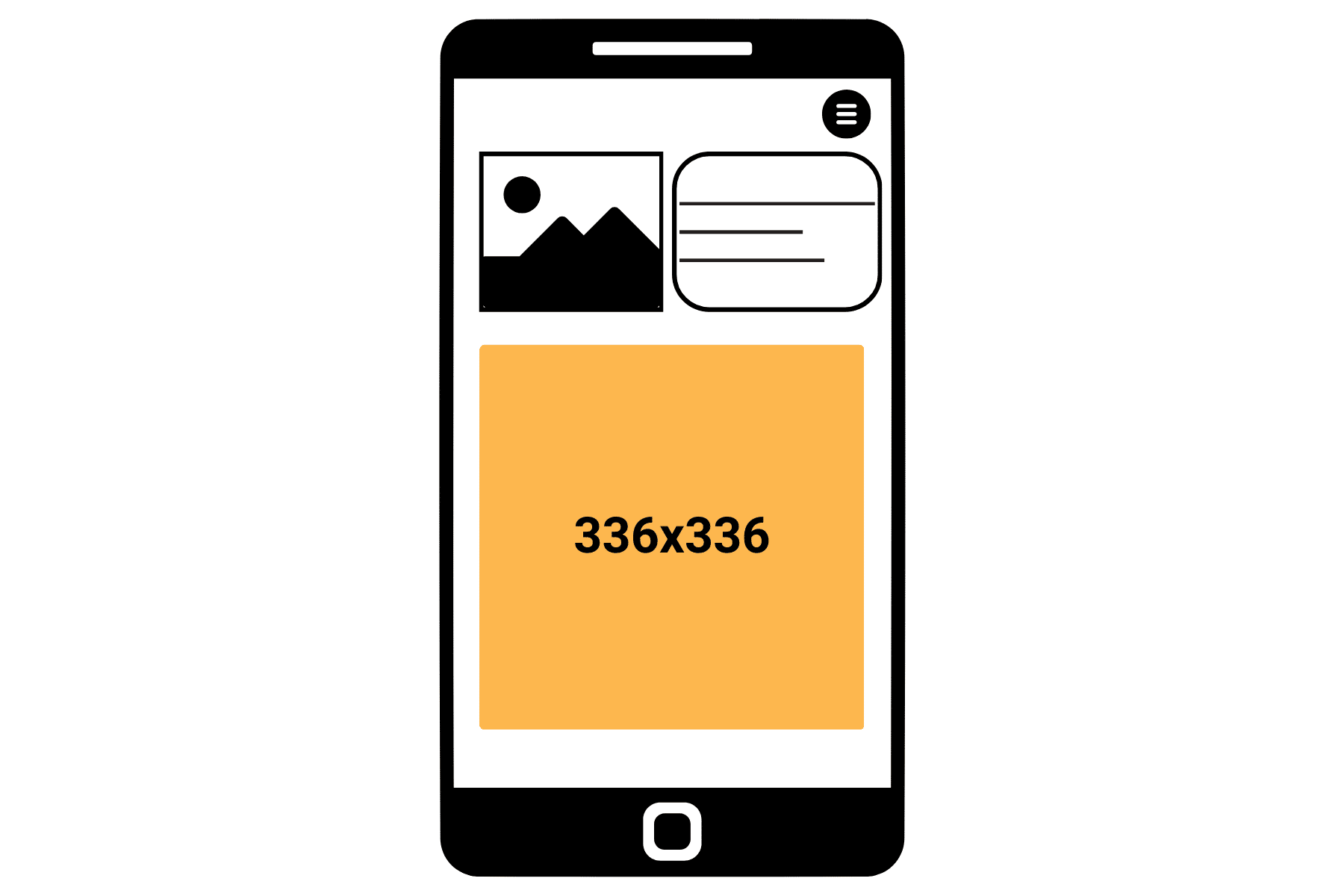
336×336 square banner ad
This format offers a visually striking and engaging ad placement, particularly effective for capturing attention and conveying key messages in vertical spaces. These ads provide enough room for appealing visuals, clear call-to-action buttons, and compelling text, making them suitable for highlighting brand messaging, promoting product offers, or driving app downloads. This ad format is larger than standard rectangles and has become increasingly popular in recent years.